The Loop Began With Someone Believing in Us.
Now, The Loop is a community-forward landscaping company that works to help connect, grow, and feed our community.
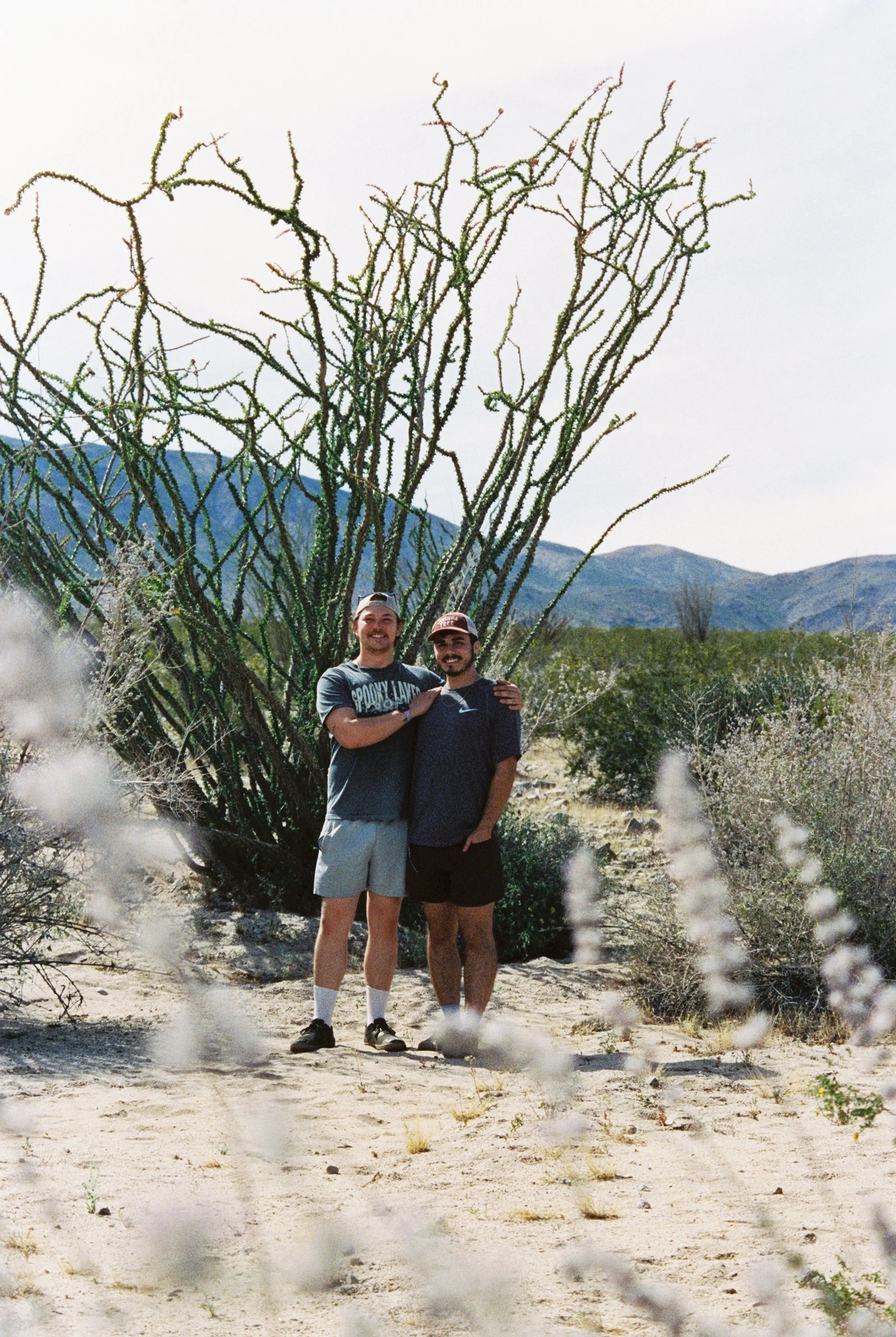
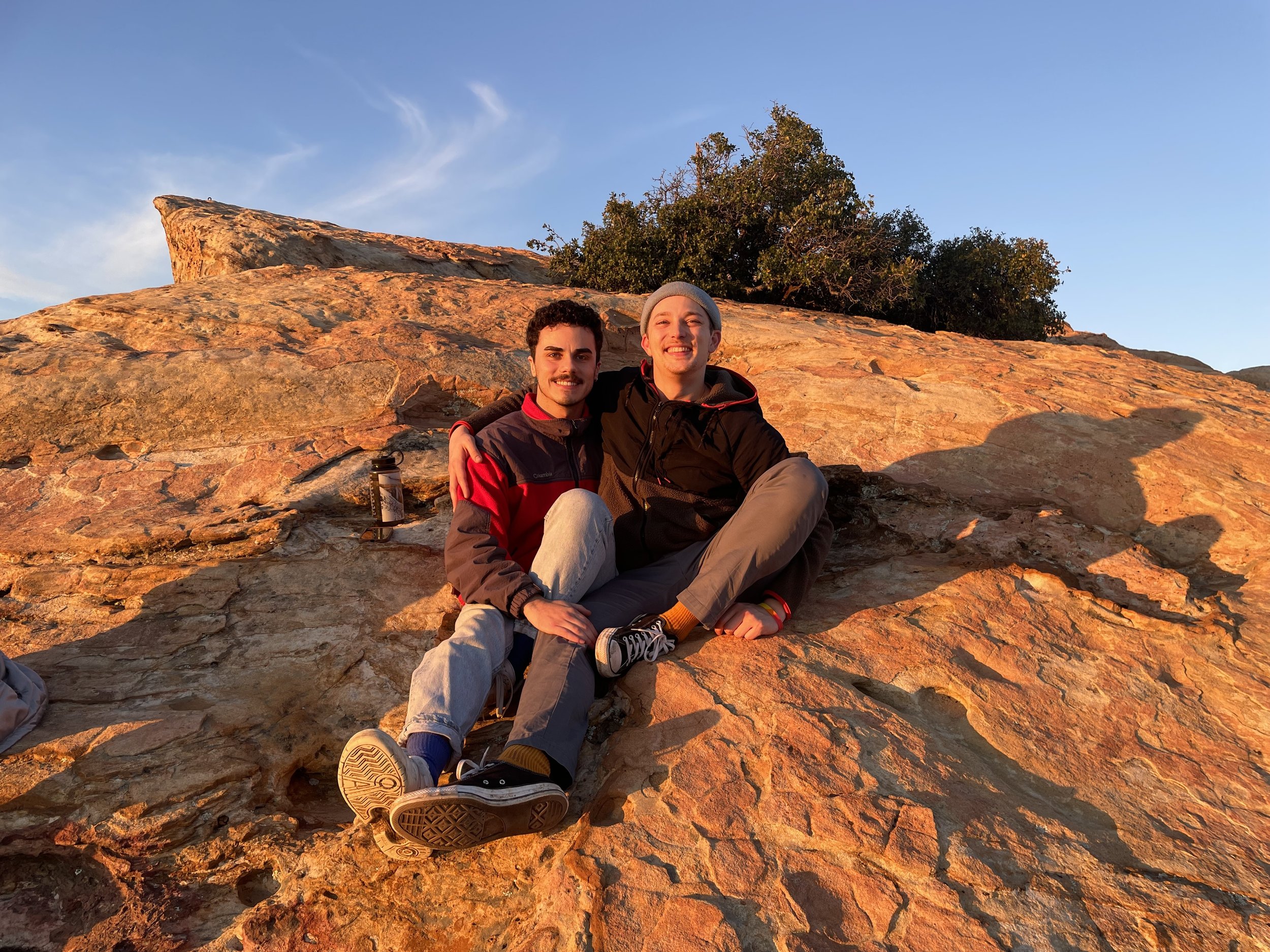
Meet the Founders
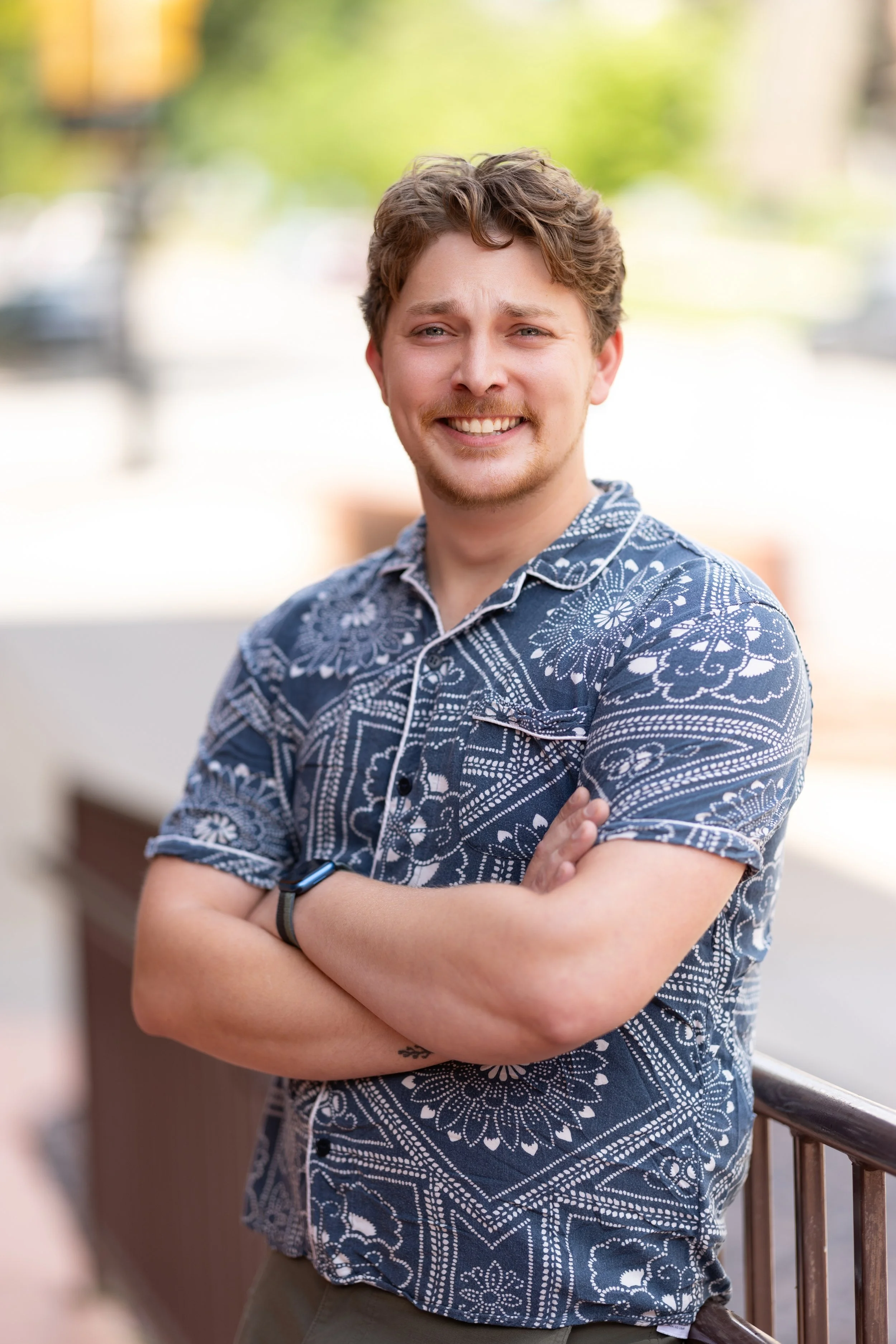
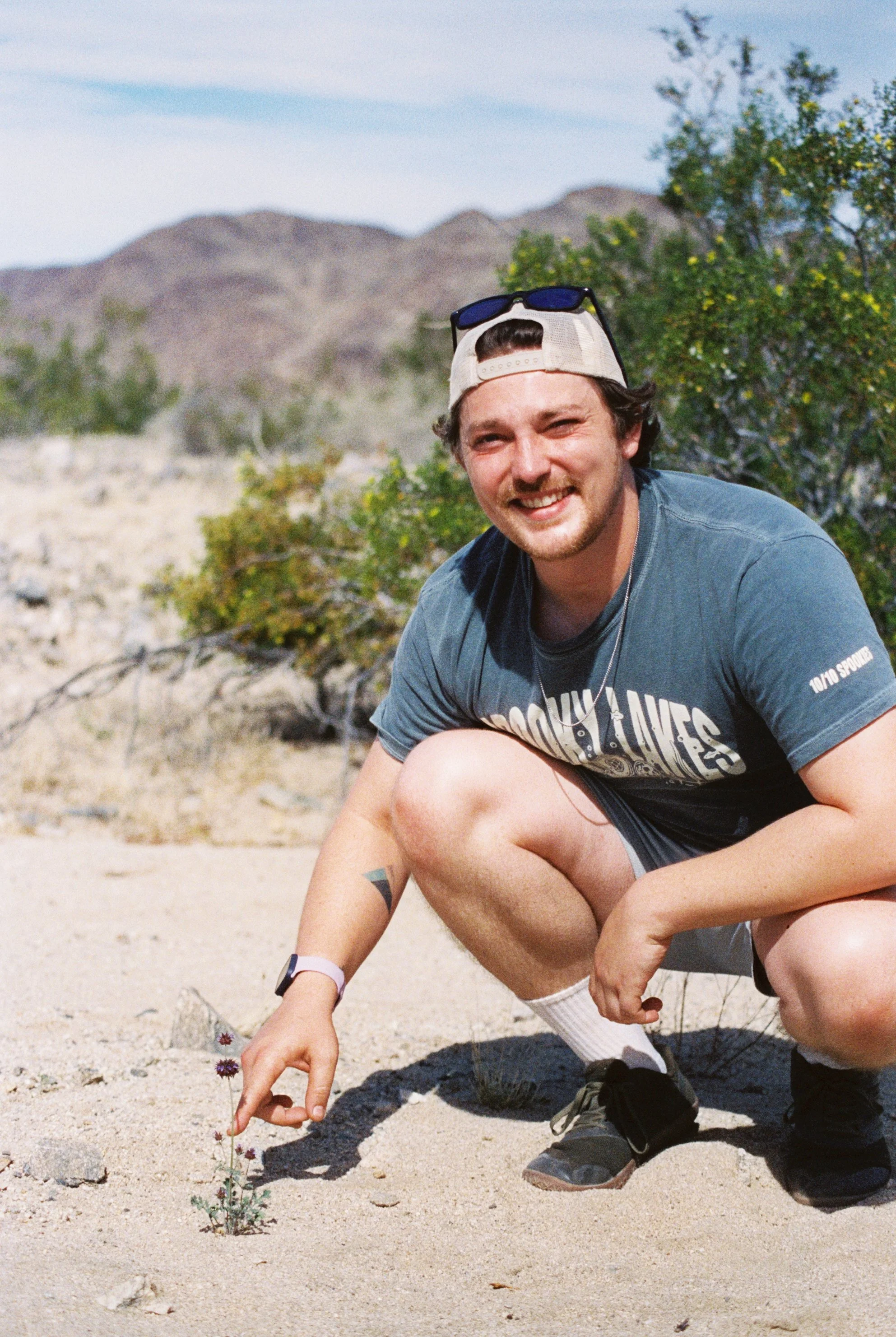
Tyler Cunningham
CEO & Co-Founder
FOOD, LAND, WASTE,
& COMMUNITY ARE EVERYTHING
Tyler grew up in Colorado in an unstable household that struggled with food insecurity and limited access to fresh, healthy food. It wasn’t often that Tyler got to spend time outside, and the food he ate hardly came from the garden. Those early experiences created an understanding of hunger that was not statistical, academic, or abstract.
They also shaped a conviction that would follow him into adulthood: No one should have to wonder where their next meal is coming from when abundance exists all around them.
Food insecurity is not always caused by a lack of food. Sometimes food is growing on trees that goes unharvested. Sometimes productive land is covered in lawn, and sometimes usable materials are thrown away while another person might need them.
The Loop was created to help connect those resources.
To take what a community already has and put it to work for the people who live there. Before The Loop, Tyler had already spent years exploring the relationships between food production, environmental stewardship, entrepreneurship, and community service. While attending college in Portland, Oregon, he operated an urban oyster mushroom farm and a pest management consulting business, using in part these two businesses to help finance his education.
The mushroom farm introduced another idea that would become important to The Loop:
Waste is often just a resource in the wrong place.
Materials that one system no longer needs can become the beginning of another. Agricultural material can grow mushrooms, landscape debris can become compost, unused land can grow vegetables, and surplus fruit can become meals. In the early 2020’s, Tyler worked as a Campaign Manager for two Oregon House Representatives and continued exploring ways to convert traditional lawns into productive gardens as a supplement to income.
Years later, and the hard work and time Tyler has spent, along with the effort of Co-Founder Jake, The Loop can begin to feed and help our community in the way Tyler needed when he was young.
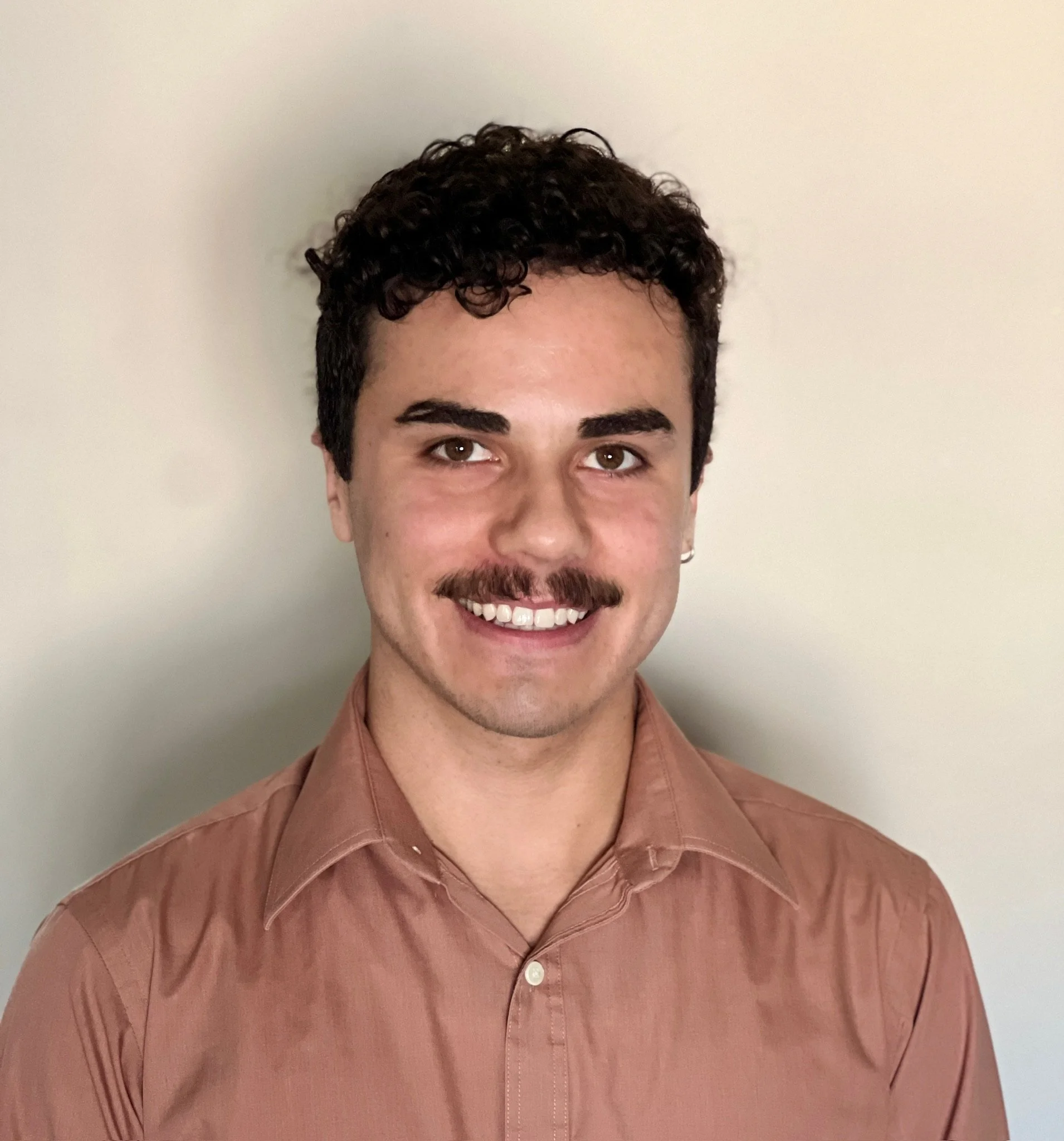
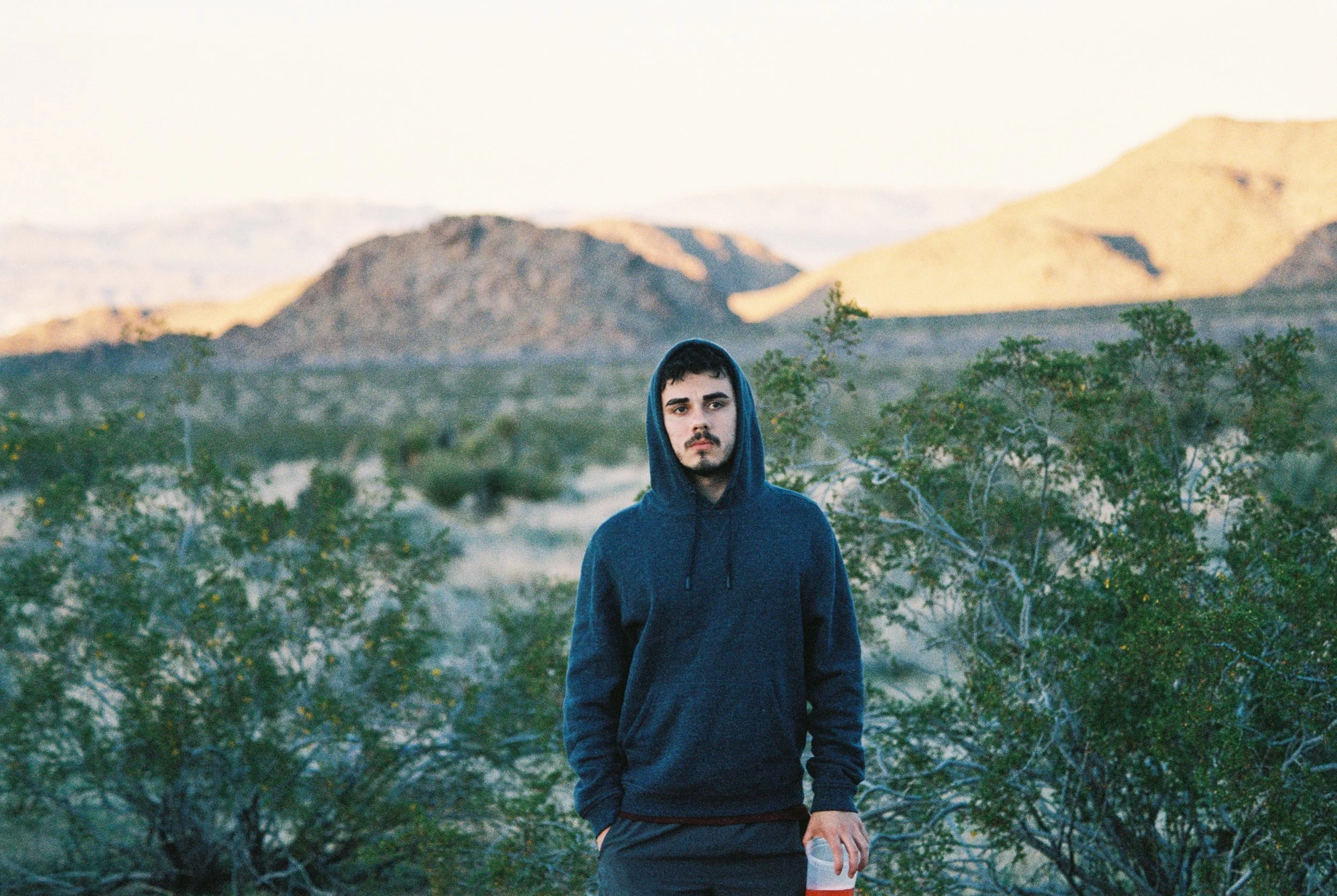
Jake Meier
CEO & Co-Founder
The Loop is the work of more
than one person.
Co-founder Jake has been part of its development from the beginning, providing the balance, perspective, compassion, and support that helped transform an ambitious collection of ideas into something sustainable.
A graduate of the University of Denver with a degree in International Relations, Jake's connection to Santa Barbara is also deeply personal. As an Indigenous Chumash person with ancestral roots in the region, his relationship with the landscape extends beyond the boundaries of individual properties and connects to the shared natural world we live in and share with our community.
Jake’s family has called Santa Barbara home for seven generations and that connection is a calling.
CARING FOR THE LIVING WORLD
Jake has maintained a deep connection with animals throughout his life. He has cared for them, studied them, created habitat for them, and helped injured wildlife recover. As a young adult, he volunteered with the Santa Barbara Wildlife Care Network and helped birds in their recovery process. He’s always been one that helps those around him, whether it’s spiders, birds, or other animals, and that experience continues to influence The Loop's approach to community and our impact.
THE LIVING WORLD HAS PEOPLE, TOO.
Jake and his family have also spent years helping people experiencing homelessness in the Santa Barbara community, providing clothing, supplies, feminine hygiene products, and other necessities. They’ve run yearly charity drives, collecting donations, and helping funnel the money and resources to those who need it most.
That work reflects a belief shared by both founders:
Everyone deserves food, shelter, dignity, and access to the natural world.
GREENHOUSE SCHOLARS
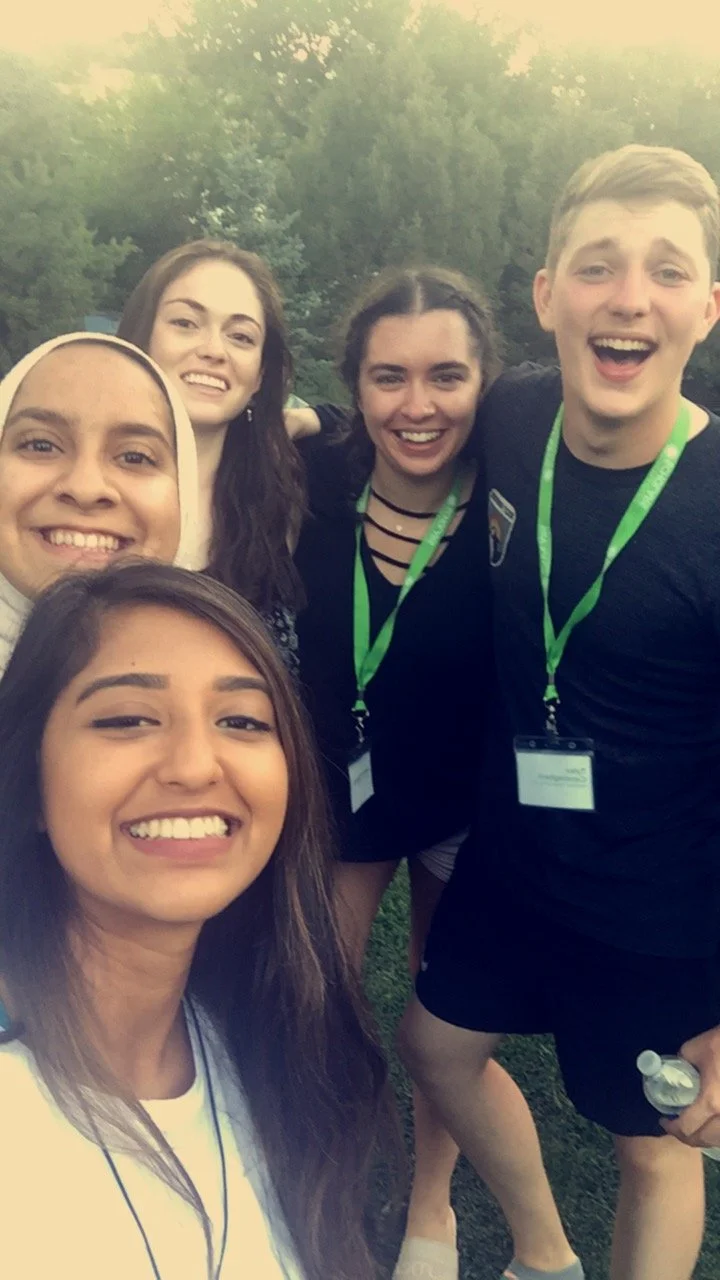
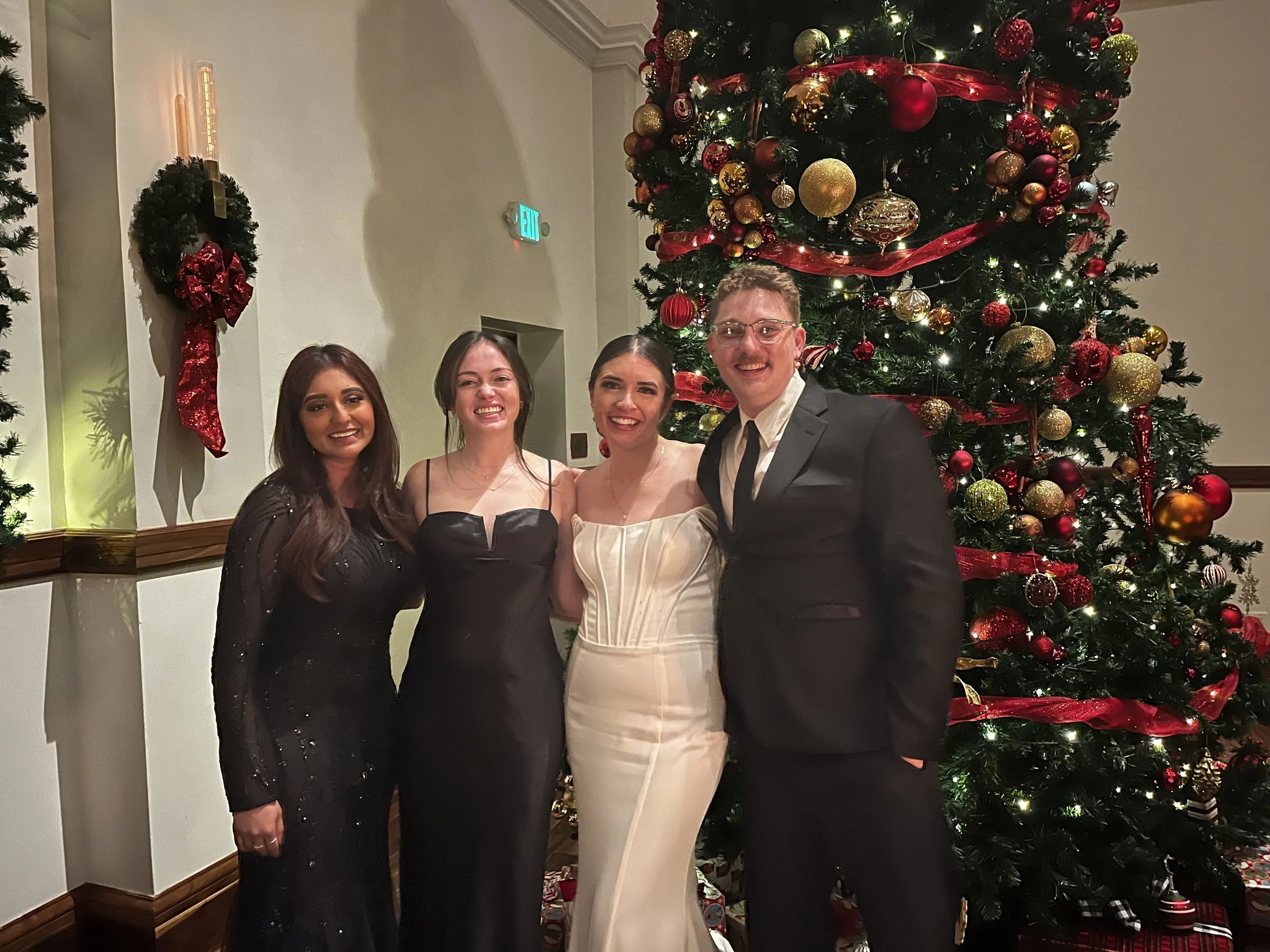
After graduating high school, Tyler was accepted into Greenhouse Scholars, a program that supports high-achieving students from low-income communities through financial assistance, mentorship, coaching, professional development, peer relationships, and access to a network of people invested in both the Scholars and the communities they represent.
For Tyler, Greenhouse was much more than a college scholarship. It provided something he had not always had growing up: A community of people who believed in his future.
Through Greenhouse, Tyler gained mentors, coaches, friendships, professional connections, and a network that encouraged Scholars not only to succeed personally, but to use their opportunities to create meaningful change around them.
Many of the relationships formed through Greenhouse became lasting ones along with the knowledge that an opportunity given to one person can eventually benefit many others.
This is foundational to the work we do at The Loop.
COMMUNITY CAN CHANGE A LIFE
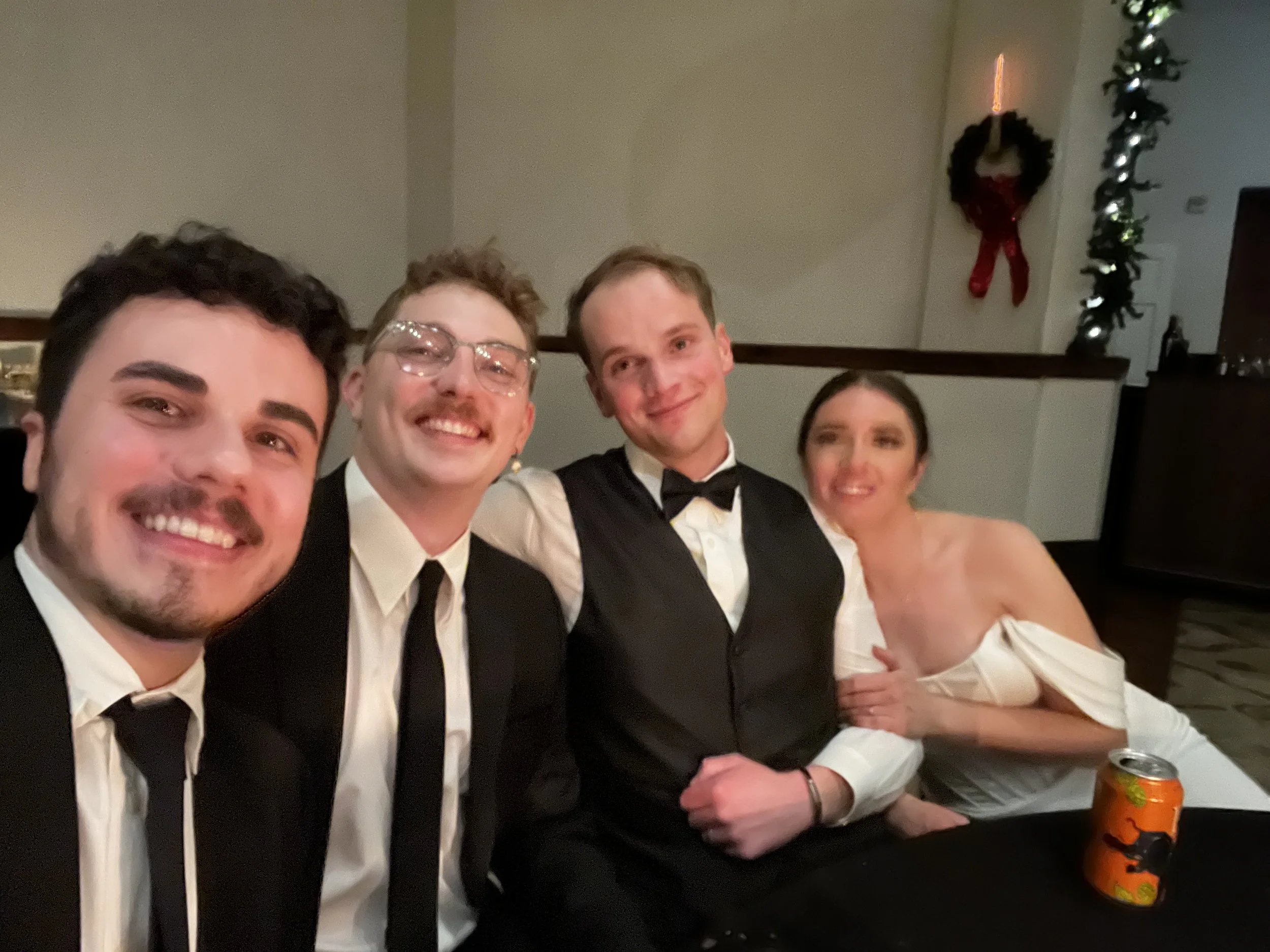
One of the most important relationships Tyler found through Greenhouse was with fellow Scholar Helena.
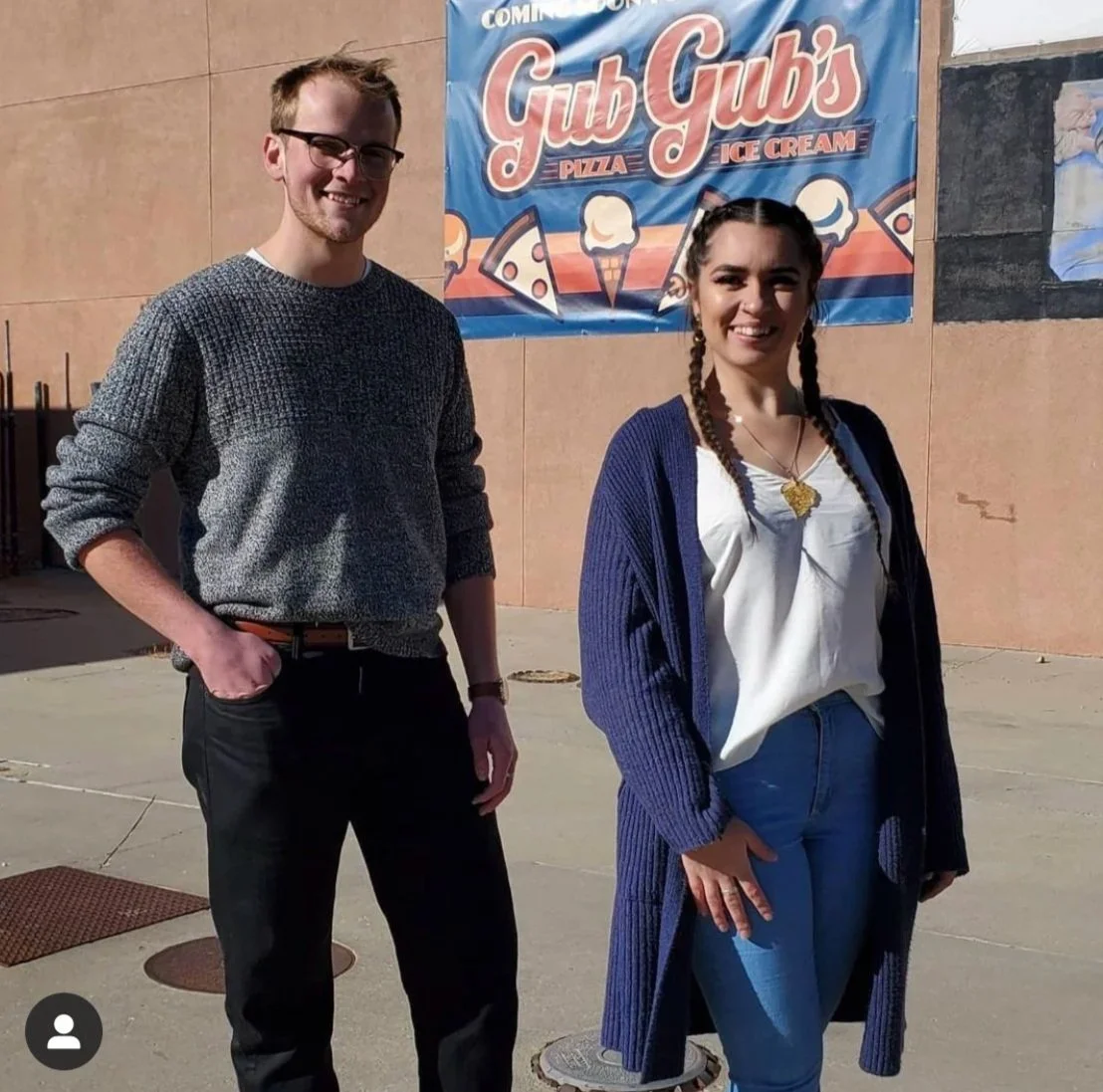
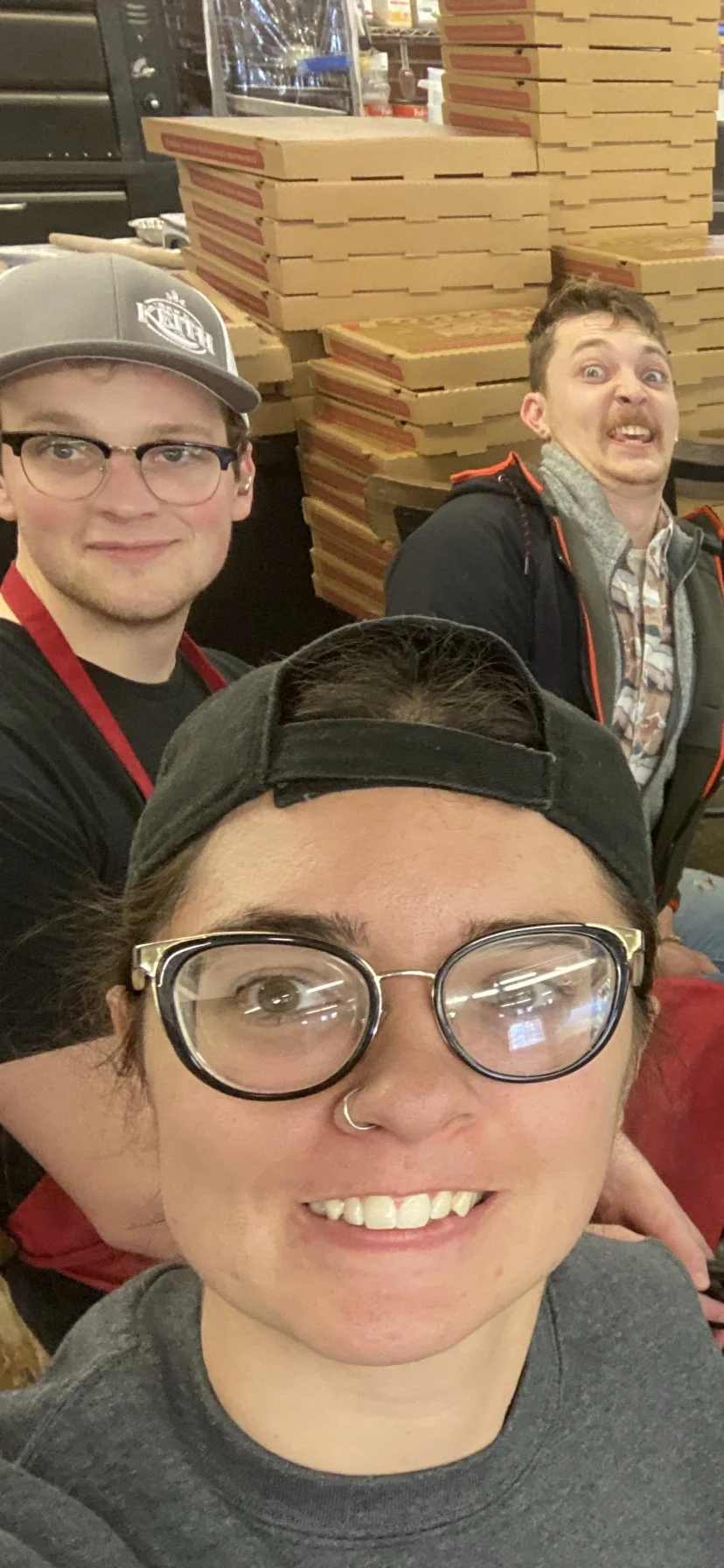
Helena and her partner, Tom, opened a community-centered pizza shop in rural Colorado. Tyler joined them during its early development and worked as their first Store Manager.
Watching Helena build a small business around service to her community left a lasting impression and her work demonstrated that a business did not have to choose between financial sustainability and community impact, it could do both.
A neighborhood business could employ people, create a gathering place, support local organizations, strengthen relationships, and become part of the community it depended on.
That philosophy would later become central to The Loop:
Business should be able to do good while doing good work.
START WHERE YOU ARE
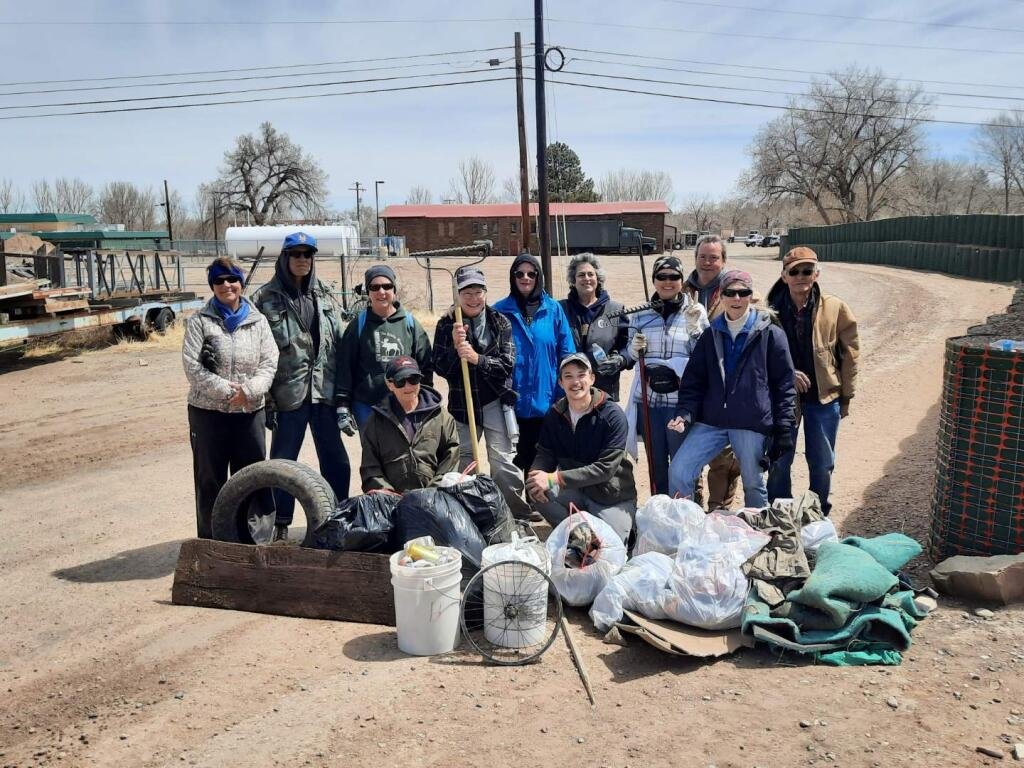
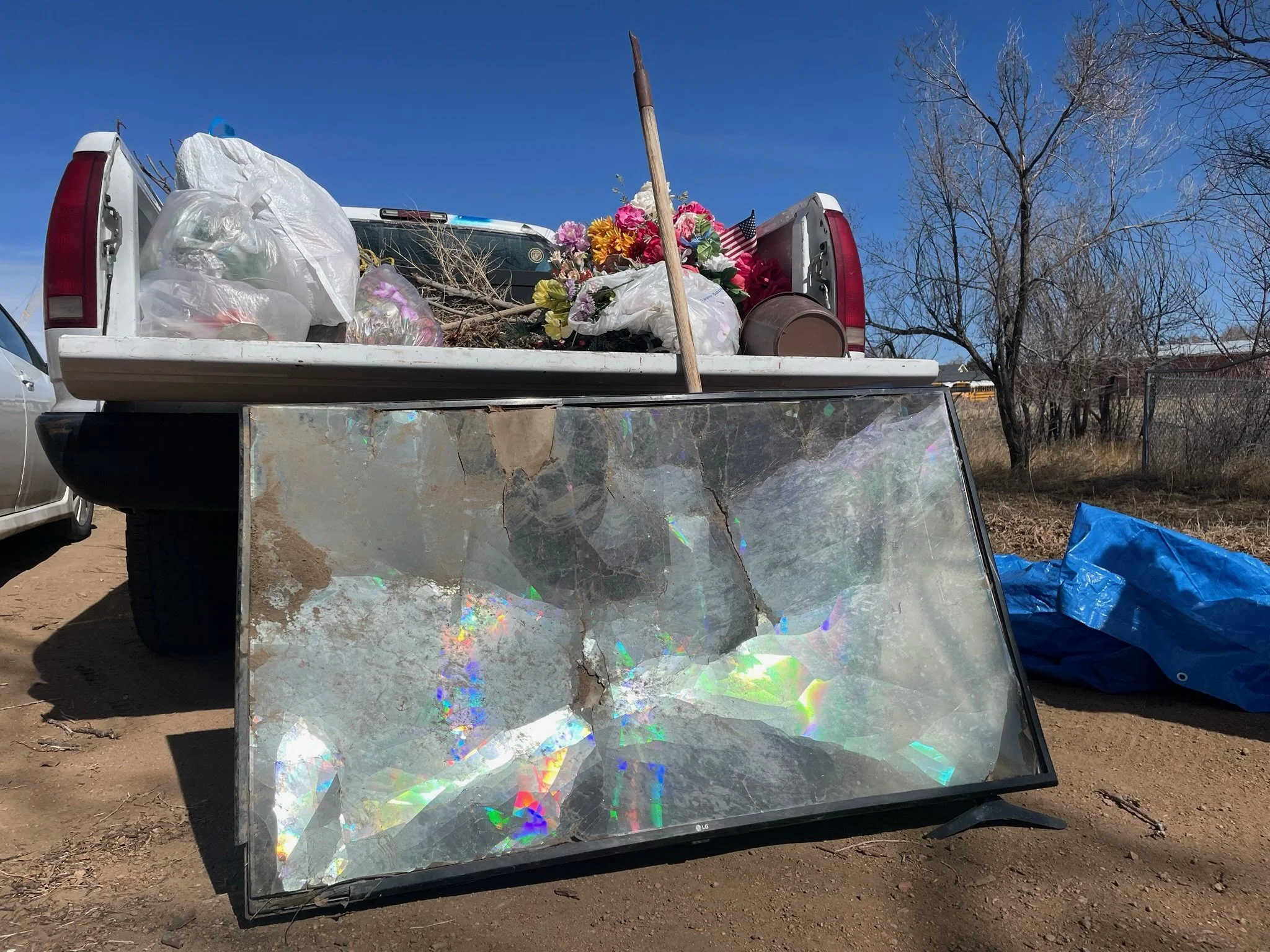
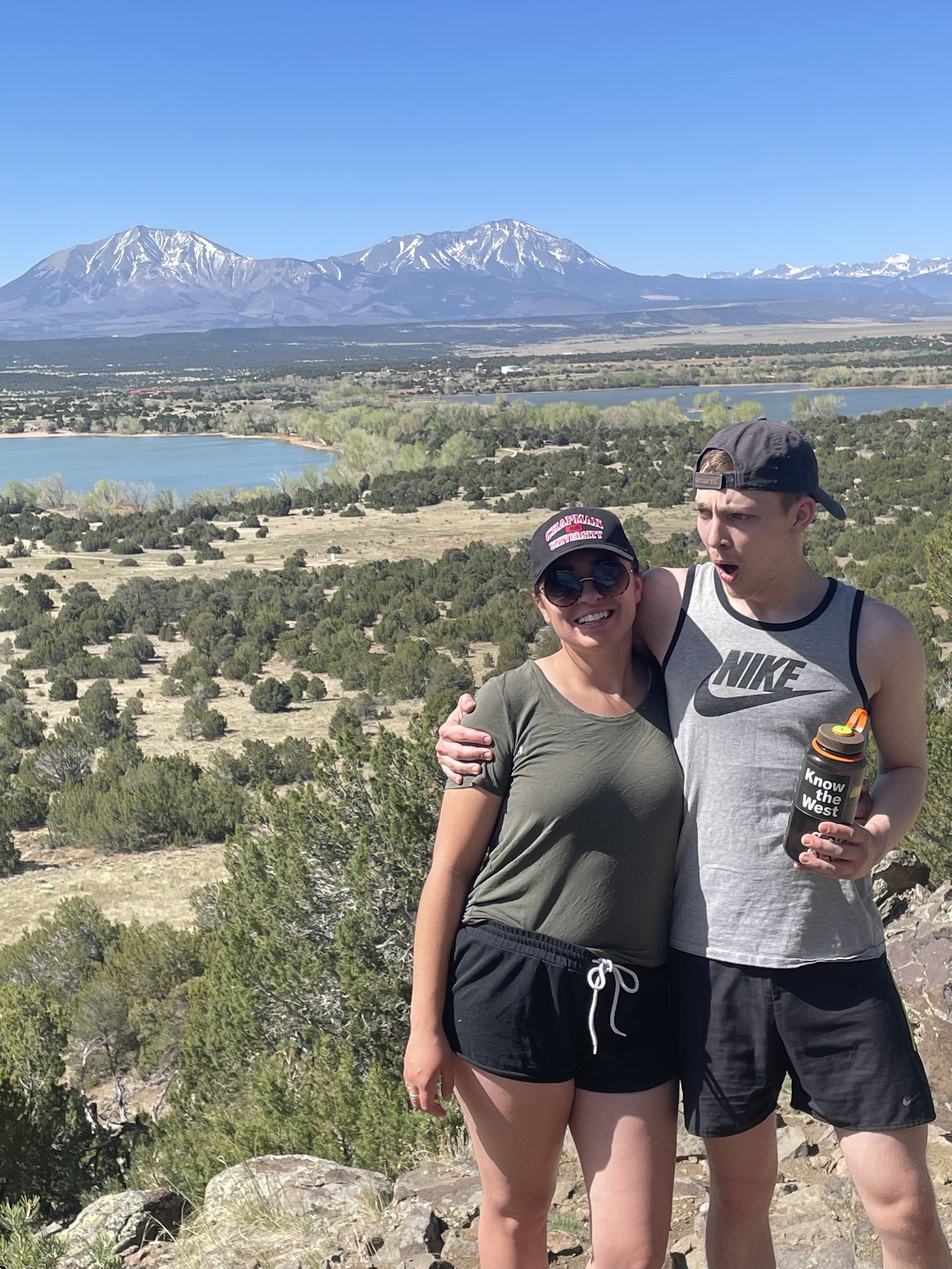
While living in Colorado, Tyler founded De-Trash Walsenburg, a volunteer group created to clean litter and waste from local streets, neighborhoods, streams, and waterways.
Together, community volunteers removed hundreds of pounds of trash.
De-Trash Walsenburg reinforced the idea:
Meaningful change does not always begin with large grants, major organizations, or enormous resources.
Sometimes it begins with a problem, a few people who care about it, and someone willing to organize the first day of work.
That spirit remains at the heart of The Loop's volunteer projects.
150 Square Feet Was Enough to Prove the Idea.
THE MINI LOOP
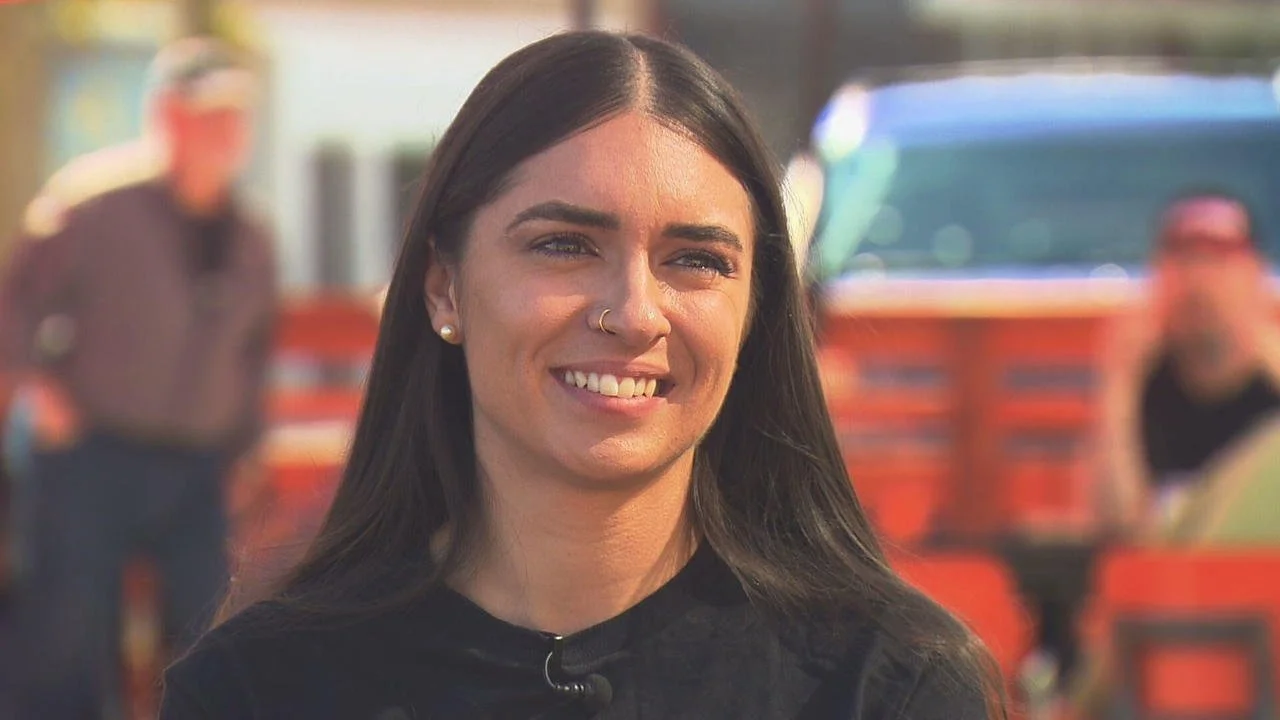
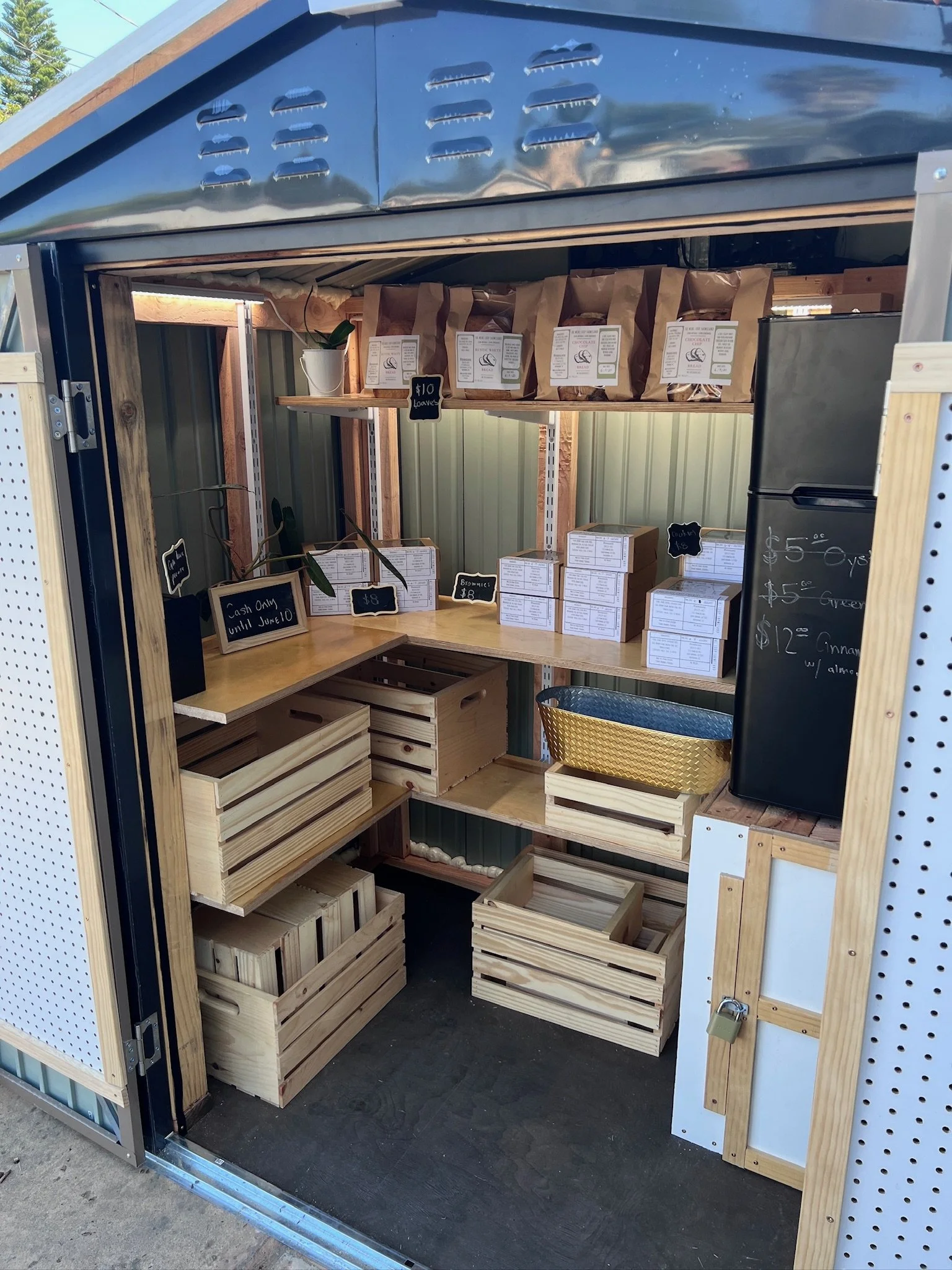
In 2024 Jake and Tyler moved from Portland, Oregon to Santa Barbara. Jake’s parents allowed the two of them use of a 15’x10’ portion of their backyard to grow food and veggies and sell out of an on-site farmstand. The cost of living in Santa Barbara and throughout California continued climbing while food insecurity remained a reality for families across the state, and Jake and Tyler still wanted to do what they could to help.
Food insecurity affects many community members even while Santa Barbara is surrounded by abundance.
Fruit trees, long growing seasons, residential yards, gardens, landscaped properties, people who know how to grow things, and people willing to help.
The question became: How could those resources be connected?
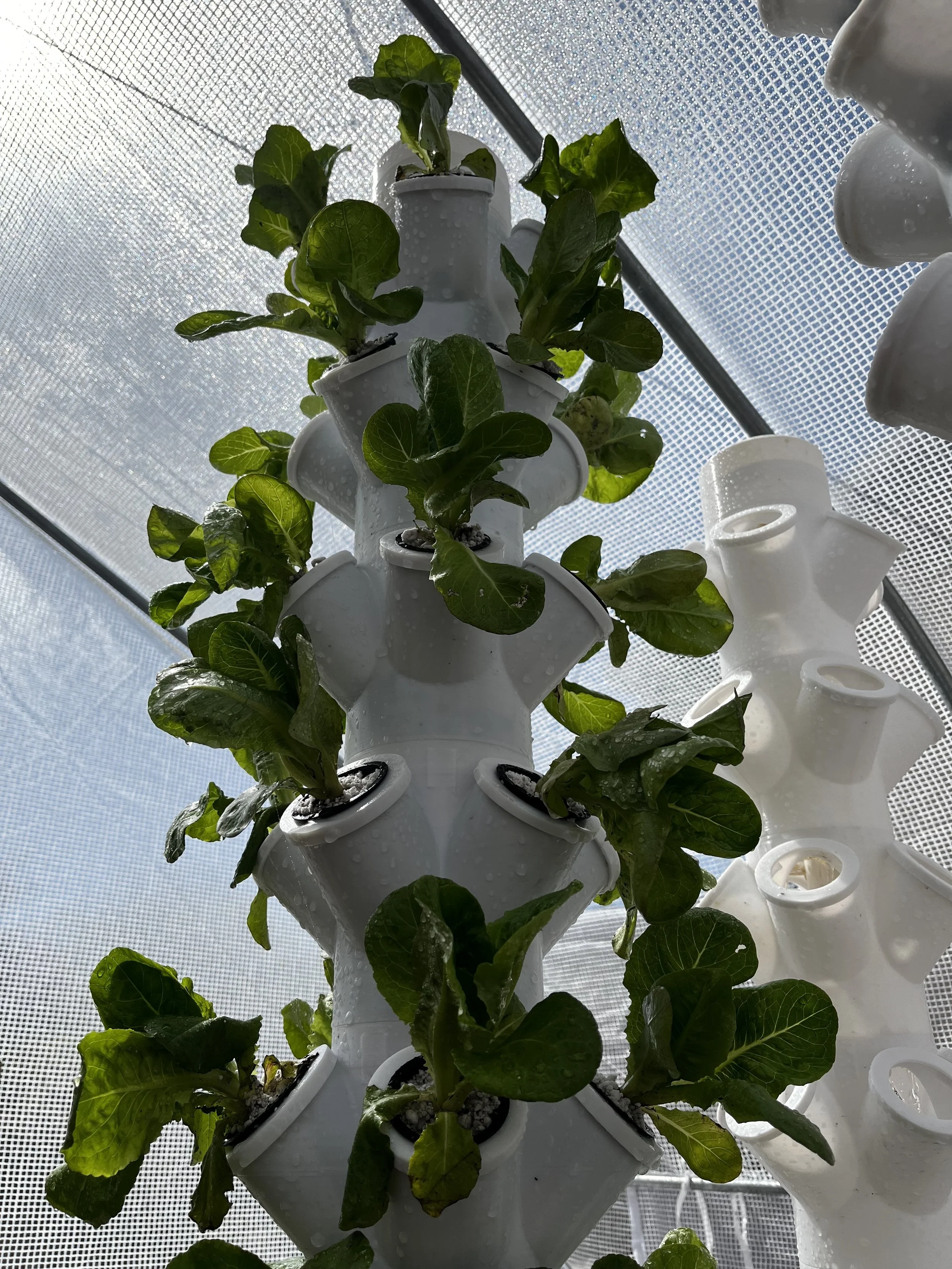
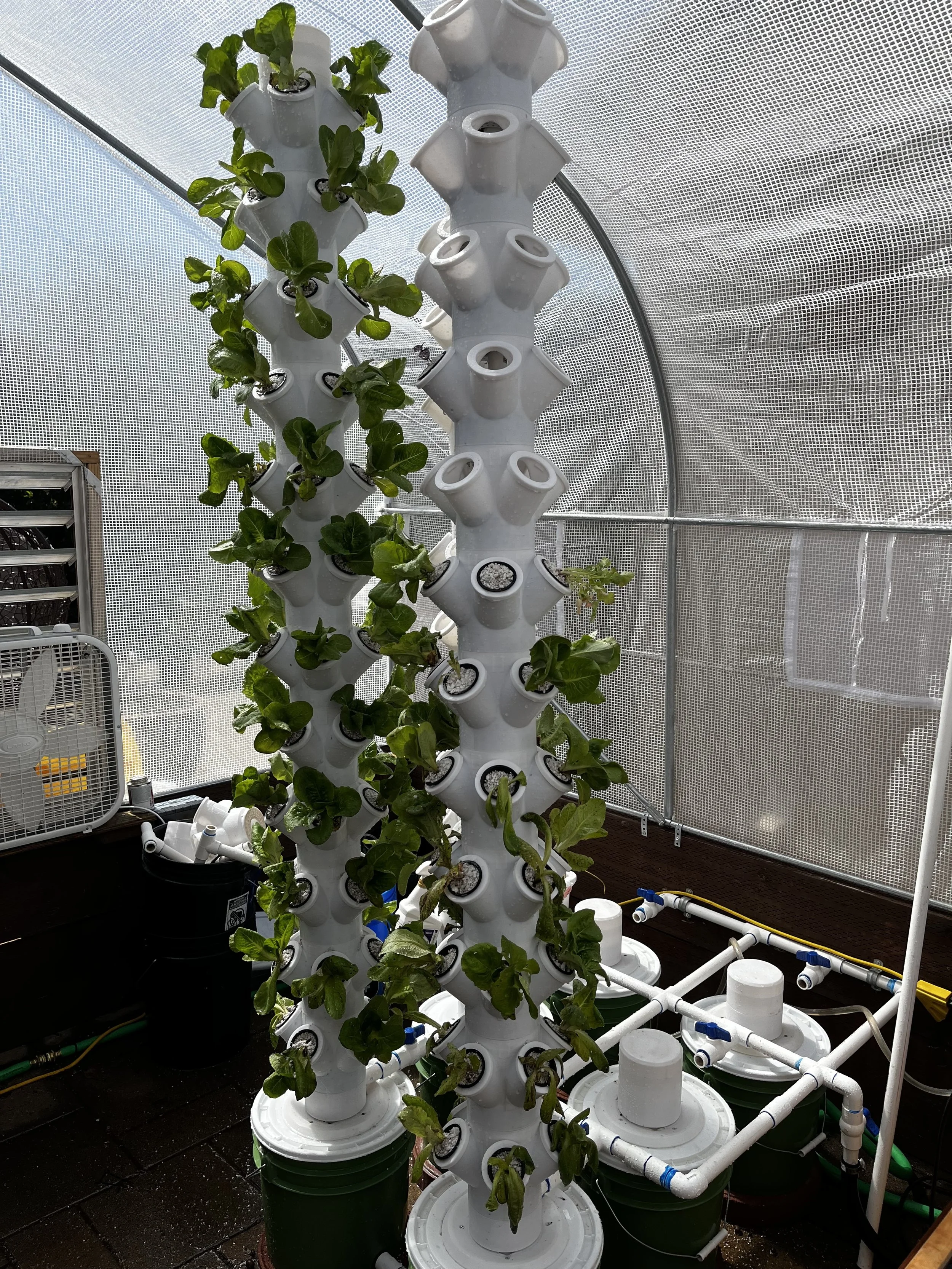
One early answer was The Mini Loop, a roughly 150-square-foot urban farm and neighborhood farmstand.
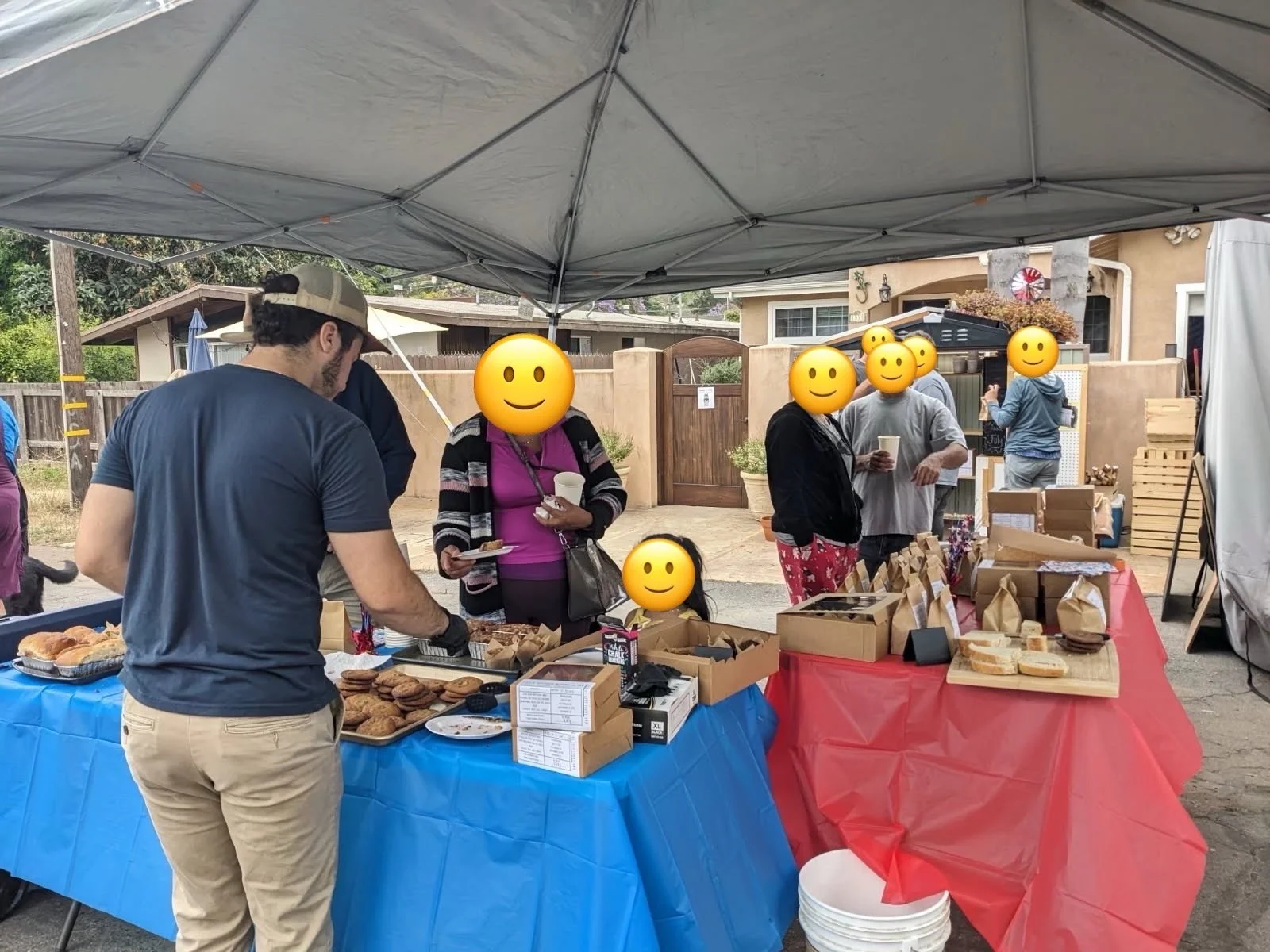
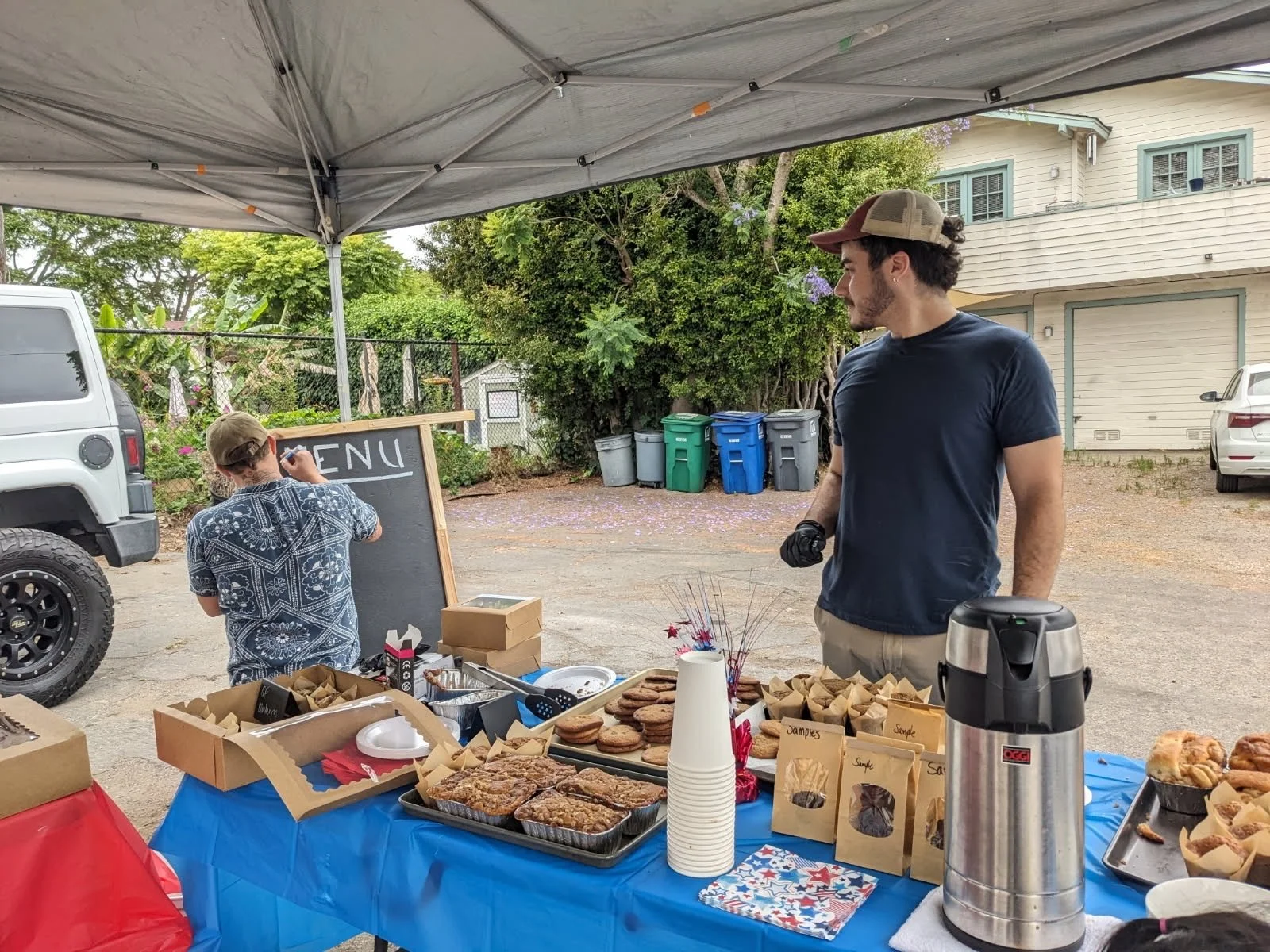
From a tiny growing space, The Mini Loop produced and sold vegetables, plants, baked goods, and other locally made products while building relationships within the surrounding neighborhood. The goal was never simply to sell something, it was to create something useful. The Mini Loop donated hundreds of pounds of produce along with money, supplies, and time to the community.
Neighbors stopped to talk, people shared ideas, customers became supporters, supporters became participants, and a 150-square-foot farm demonstrated that even very small spaces could create meaningful impact.
Greenhouse Scholars helped provide support that allowed The Mini Loop to develop and helped turn an experiment in neighborhood food production into the foundation for something larger.
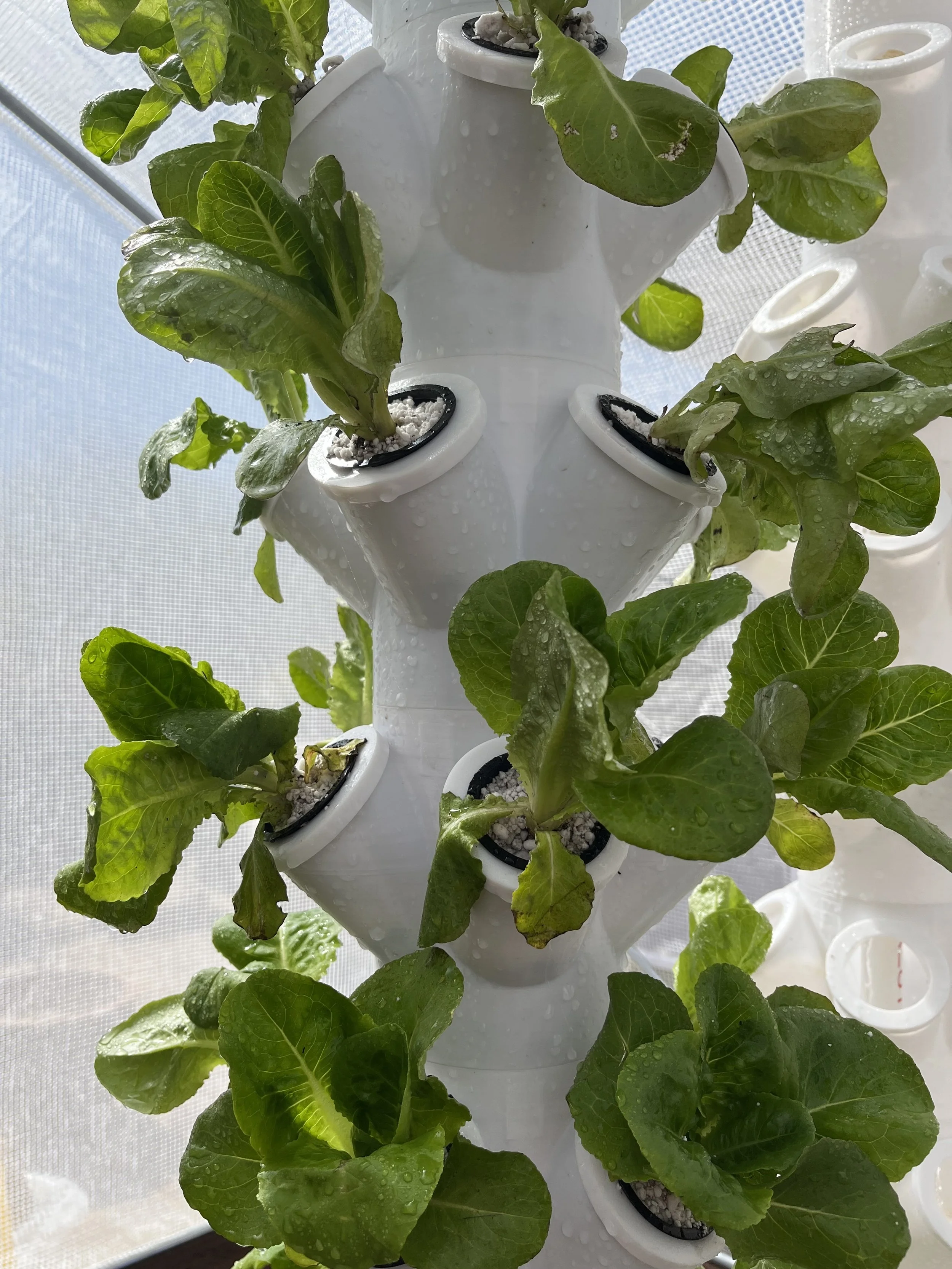
The Mini Loop proved the idea.
The Loop expands it.
THE LOOP TODAY
From 150 Square Feet to an Engaged Community Network.
The Mini Loop showed what could happen when a small space was given a purpose.
The Loop is now building on that idea across Santa Barbara.
19+ Volunteers
Community members contributing their time, skills, knowledge, and energy.
6 Partner Organizations
Organizations working alongside The Loop to increase the reach of local projects.
17+ Fruit Trees
Trees participating in a growing gleaning network that helps prevent usable food from going to waste.
14,000+ Square Feet
Land made available for gardens and community food production.
WHAT GREENHOUSE STARTED
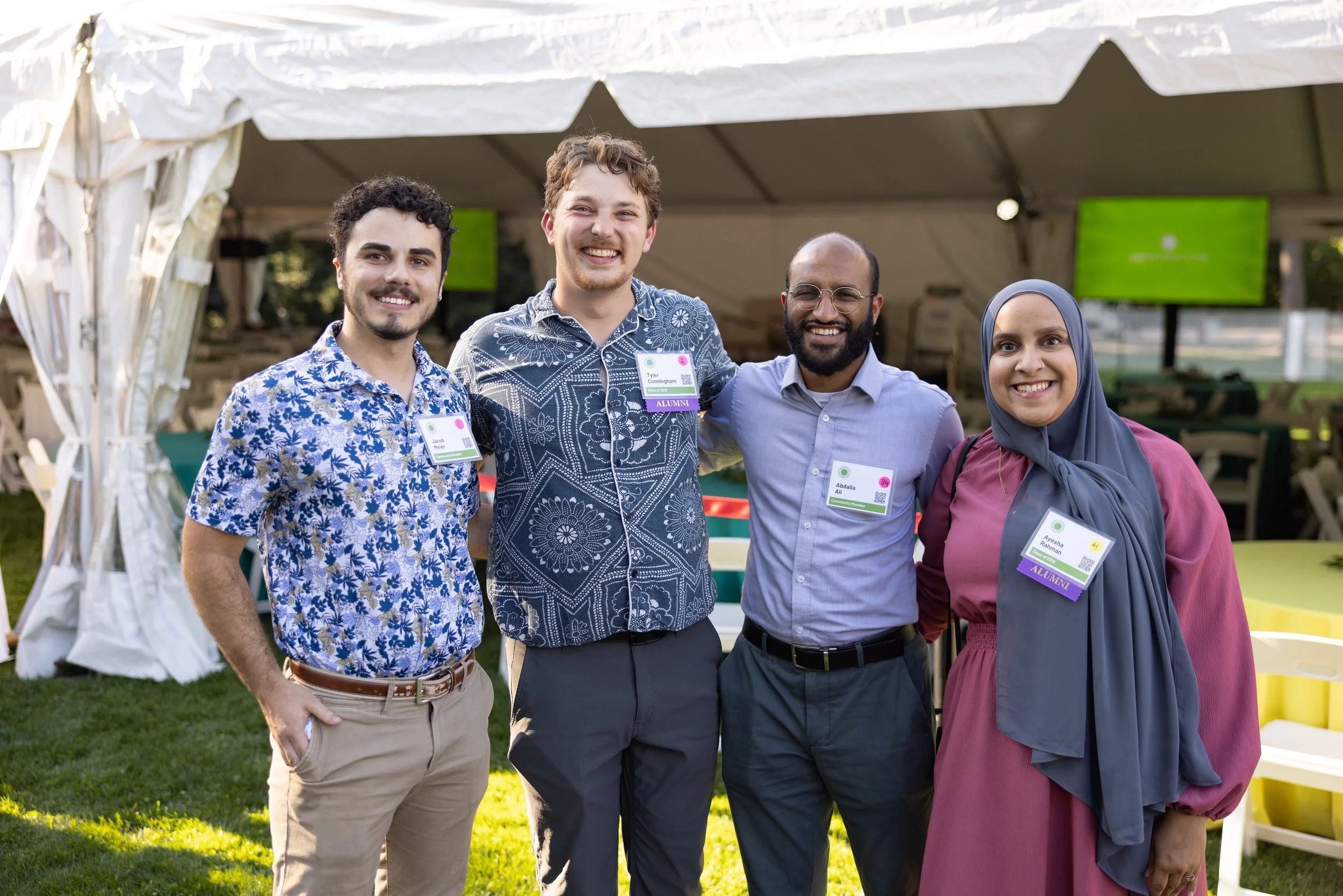
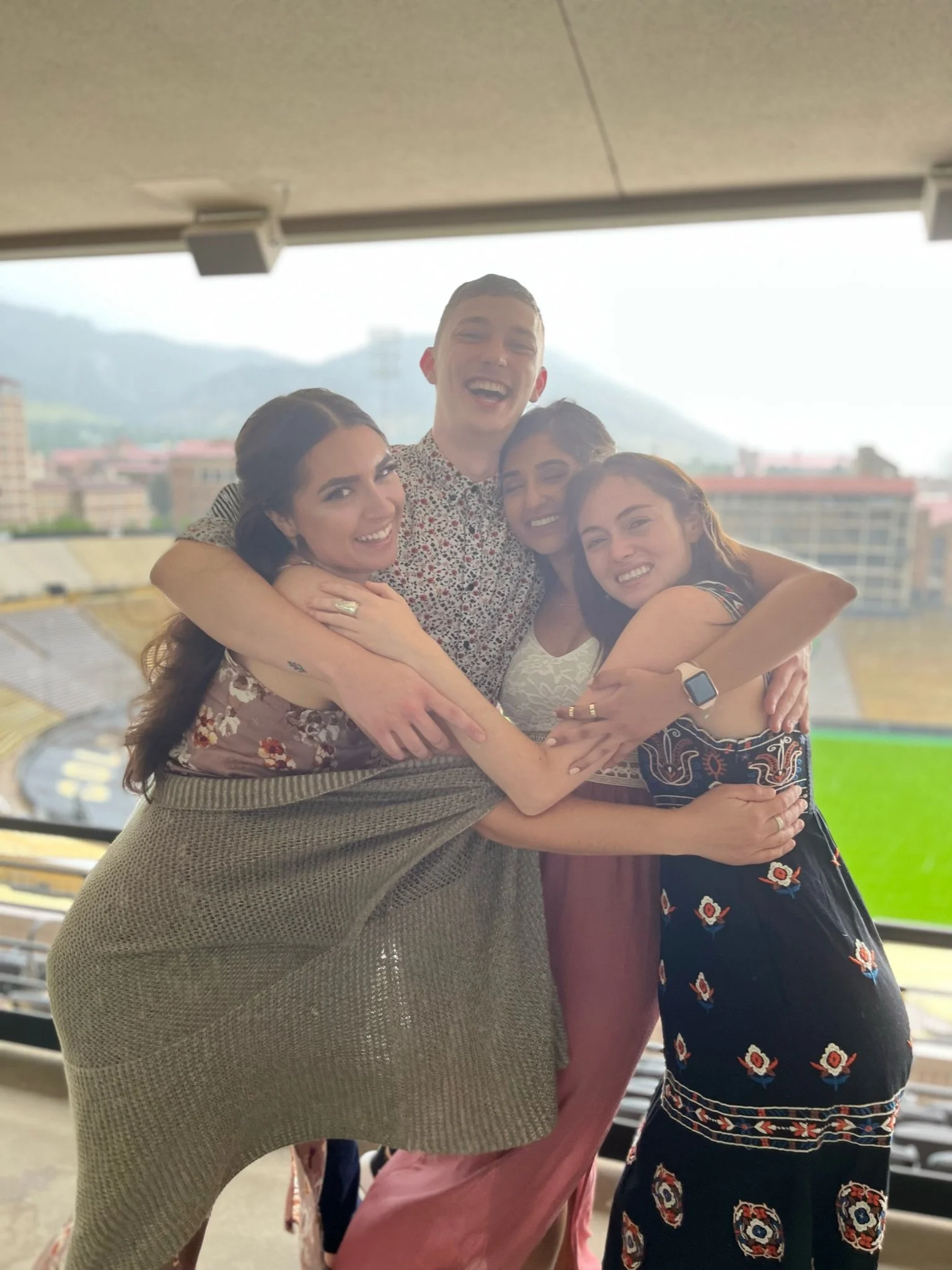
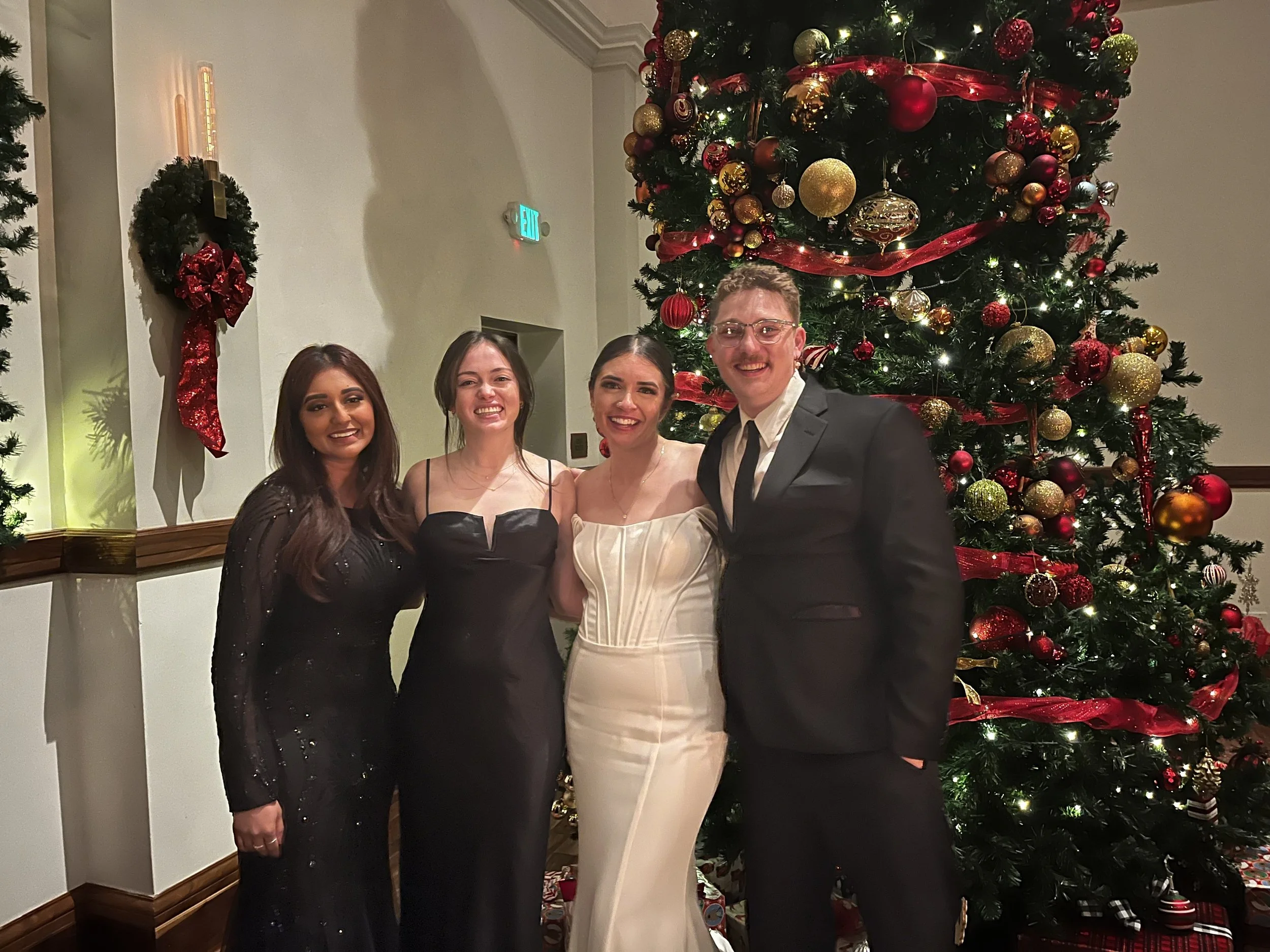
Greenhouse Scholars helped provide Tyler with opportunities that reached far beyond a scholarship for college.
They provided a community, mentorships, friendships, encouragement, access, and people willing to believe that investing in one person could eventually benefit an entire community.
Their investment helped Tyler pursue his education.
Greenhouse introduced relationships that would shape his understanding of community-centered entrepreneurship and they supported the early development of The Mini Loop.
Greenhouse’s impact continues on today.
The philosophy is simple:
Opportunity should keep moving forward.
The support one person receives can become the support they provide someone else.
A mentor can inspire another mentor, a garden can feed hundreds of meals, a fruit tree can provide to thousands during its lifetime, a volunteer can teach another person what they learned, and a homeowner can offer land that feeds dozens of neighbors.
The impact of generosity does not have to end with the person who receives it.
The Loop exists in part to keep it moving.