A HEALTHY COMMUNITY IS A HEALTHY GARDEN
The Loop was built around a simple belief:
The spaces around us can take care of people.
A yard can grow food, a fruit tree can feed neighbors, a native garden can restore habitat, and an unused piece of land can become productive again.
A community willing to share its time, knowledge, land, and resources can accomplish far more together than any one person could alone.
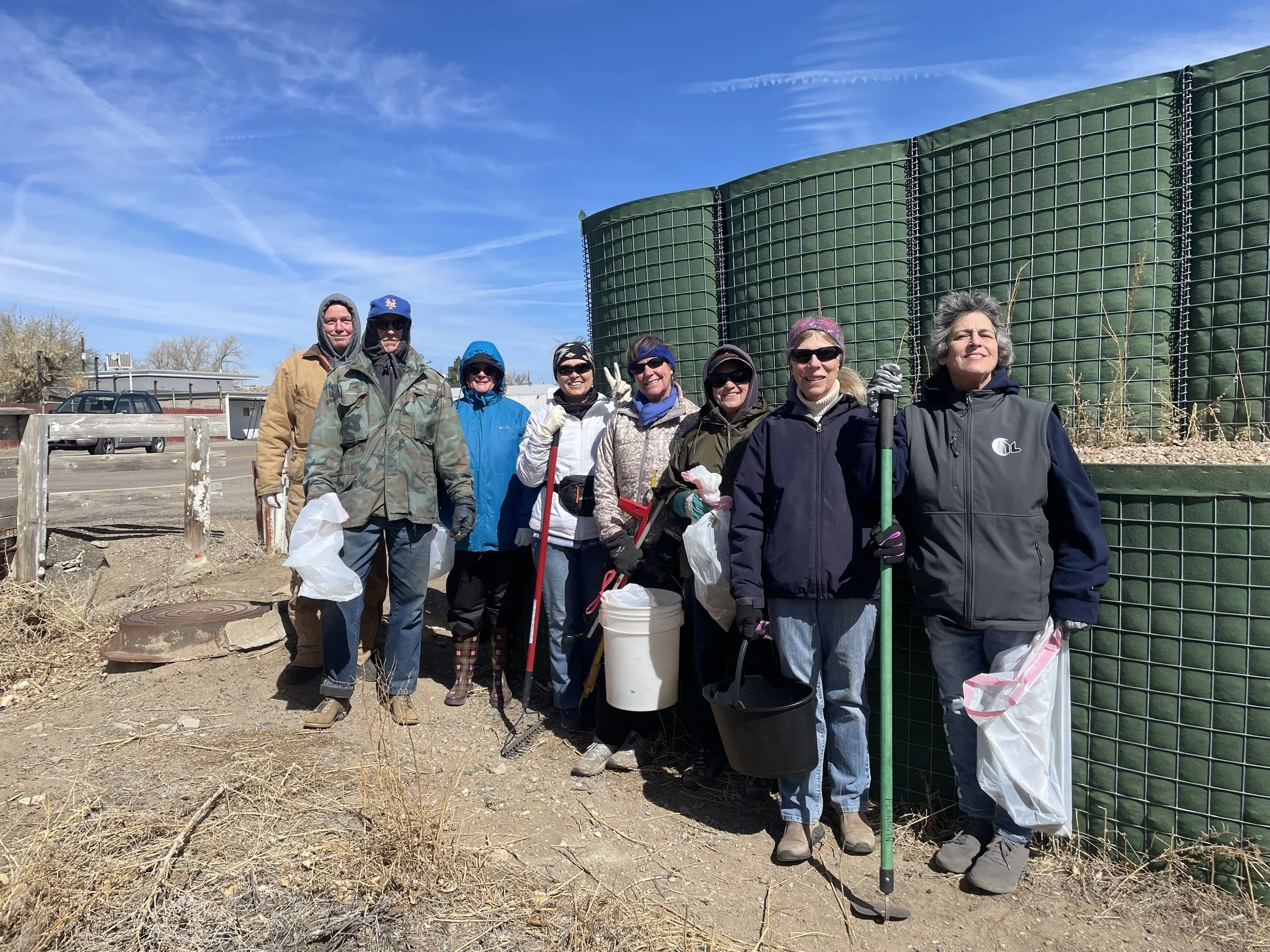
The Loop brings those ideas together through landscaping, community activism, native habitat restoration, food production, fruit gleaning, volunteerism, education, and resource reuse.
Healthy environments support healthy people, healthy people create stronger communities, and stronger communities are better equipped to care for the places they call home.
Growing Food Beyond the Property Line
We donate time, labor, supplies, plants, and other resources to help transform lawns and underused spaces into productive gardens.
Through participating projects, 50% of the produce grown is donated to help feed people in our community.
We also work with property owners who make land available for food production, volunteers who help build and maintain gardens, and organizations that help distribute resources where they are needed most.
Waste Less. Grow More.
Landscaping can generate a surprising amount of reusable material.
Healthy plants, mulch, soil, containers, irrigation components, lumber, stone, and other landscape materials are often removed during commercial projects even when they still have useful life.
Whenever it is safe and practical,
Loop-Scapes evaluates these materials for reuse and redirects them into residential food gardens, community growing spaces, habitat projects, and volunteer installations.
What might have entered the waste stream can instead become:
• A raised garden bed.
• A layer of protective mulch.
• A new irrigation system.
• A fruit garden.
• A pollinator habitat.
• A source of fresh food.